The chocolate box has been more than packaging—it has been a symbol of love, luxury, and celebration for over 150 years. Its evolution reflects the journey of chocolate itself, from an elite delicacy to a universally loved gift. Understanding the cultural and culinary significance of the chocolate box provides insight into why it continues to be cherished across the globe.
The Origins of the Chocolate Box
The first decorative chocolate boxes are credited to Richard Cadbury in the 1860s. By introducing beautifully designed boxes filled with assorted chocolates, Cadbury transformed the act of gifting. These boxes became especially popular during Valentine’s Day, symbolizing romance and elegance.
Why Chocolate Boxes Became Popular
Several factors contributed to their rise:
Symbolism of Affection – Chocolates are linked with emotions and thoughtfulness.
Collectability – Early decorative boxes were often treasured as keepsakes.
Versatility – Boxes could include a wide variety of chocolates, appealing to diverse tastes.
Types of Chocolate Boxes
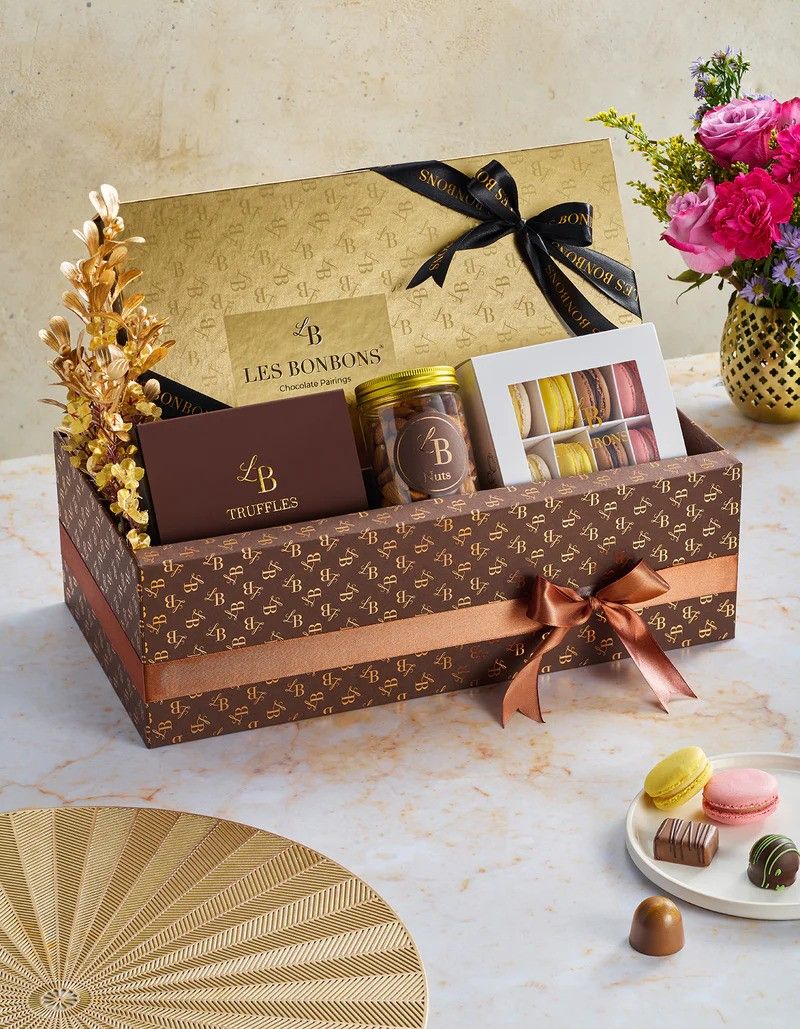
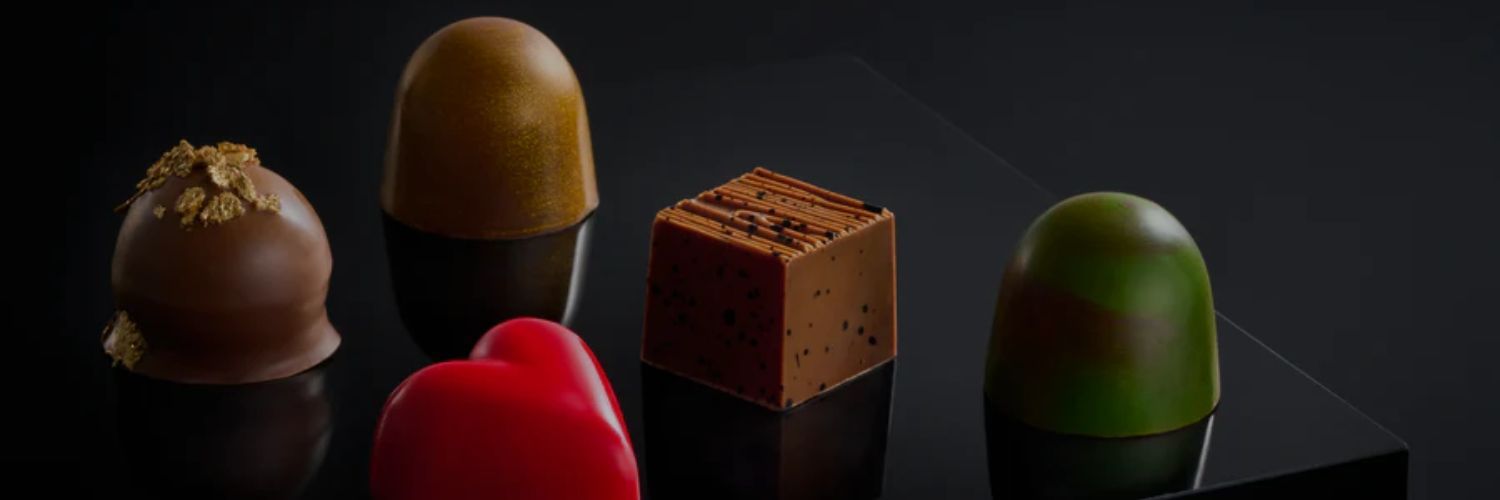
Assorted Boxes – A mix of pralines, truffles, and nut-filled delights.
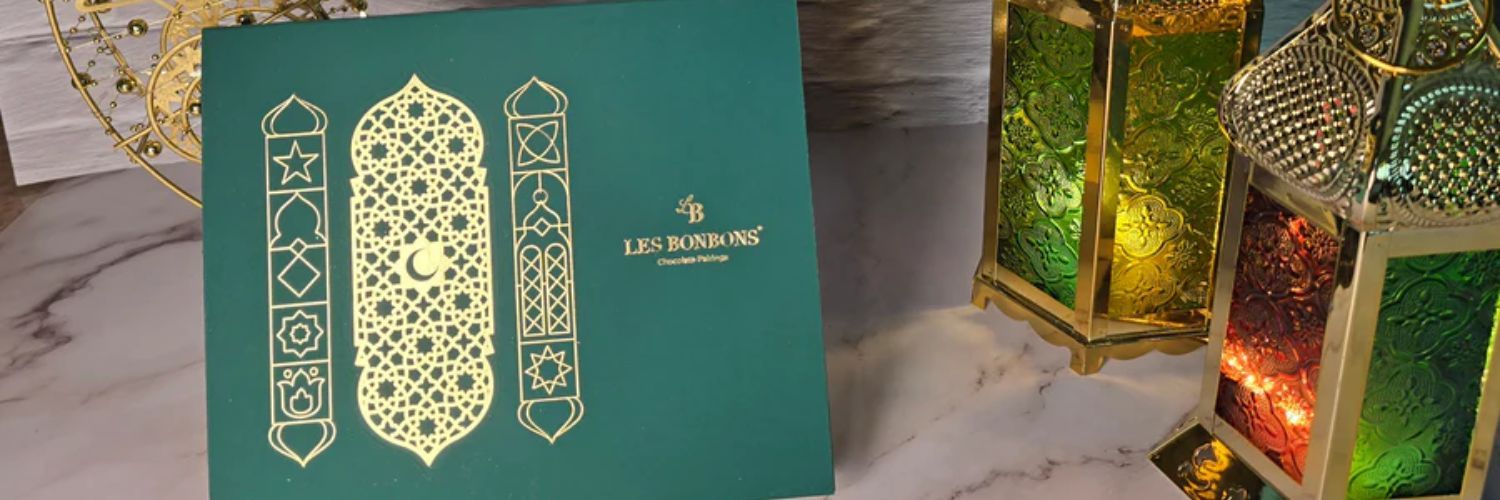
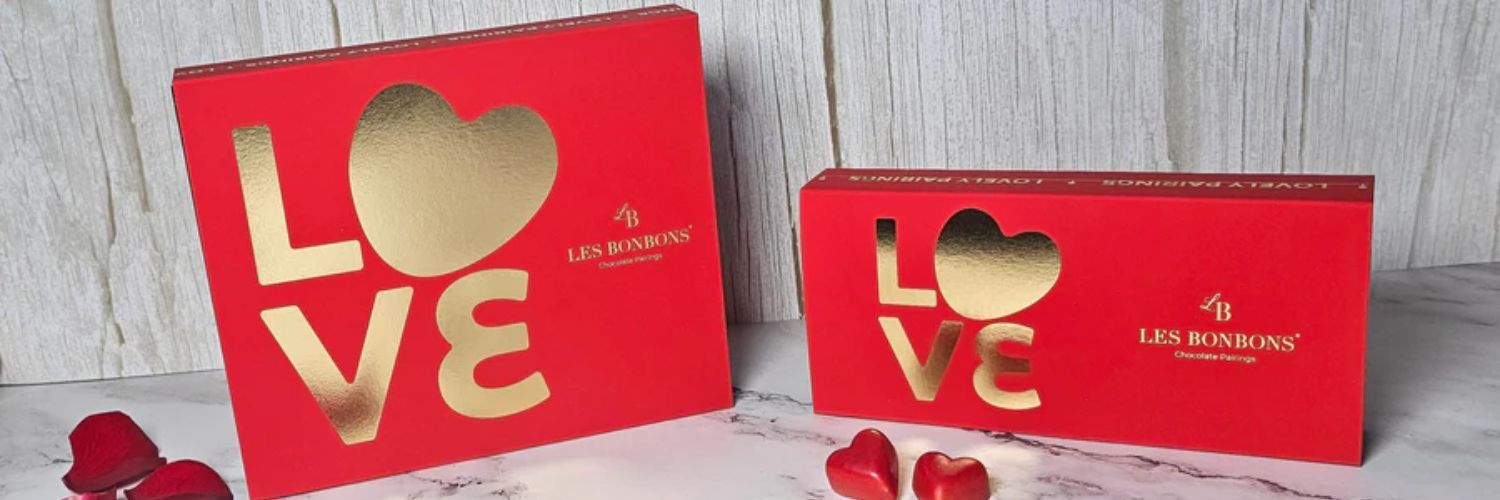
Seasonal Boxes – Collections created for Christmas, Diwali, or Valentine’s Day.
Luxury Boxes – High-end packaging that elevates the gifting experience.
Cultural Role of Chocolate Boxes
In many cultures, presenting a chocolate box is part of celebrations like weddings, birthdays, and religious festivals. The box is not only about taste but also presentation; it represents thoughtfulness, respect, and indulgence.
The Chocolate Box Today
Modern chocolate boxes reflect both tradition and innovation. They combine artisanal craftsmanship with elegant packaging, continuing to be a centerpiece of gifting traditions worldwide.
Conclusion
The chocolate box has stood the test of time as one of the most meaningful ways to express affection and celebration. From its 19th-century origins to its modern variations, it continues to symbolize indulgence, elegance, and care.